
Choosing a paint colour might seem like one of the simplest decisions when decorating a room, but the colour you choose can have a huge impact on how the finished space looks and feels.
From making a room feel warm and cosy to bright and airy, or even cold and clinical, the right paint colour can completely transform a space. And while neutral shades are often considered the safe option, even neutrals can create very different atmospheres depending on the shade, the natural light and the other colours and materials used in the room.
Here are a few things we recommend considering when choosing your next paint colour.
Think About How You Want the Room to Feel
Before choosing a colour, think about the atmosphere you want to create.
Do you want the room to feel warm and inviting? Calm and relaxing? Bright and fresh? Or perhaps sophisticated and dramatic?
The colour of your walls provides the backdrop for everything else in the room, so it is worth thinking about the overall feeling you want to achieve before reaching for the paint chart.
Warm neutrals, beige and creamy tones can help create a cosy and welcoming feel, while cooler whites and grey tones can give a room a fresher, more contemporary look.
Even small changes in tone can make a surprising difference.
Don't Forget About Lighting
One of the biggest mistakes we see when choosing paint colours is forgetting to consider the lighting in the room.
Natural daylight can completely change the way a colour looks throughout the day. A colour that appears warm and soft in the morning might look quite different in the evening when artificial lighting is introduced.
The direction your room faces can also make a difference. North-facing rooms tend to receive cooler, less direct light, so warmer paint colours can help to balance this and prevent the room from feeling too cold.
South-facing rooms generally benefit from warmer, brighter natural light, which means you can often get away with using cooler or more neutral tones.
It's also important to consider you’re artificial lighting. Warm-toned bulbs can enhance warmer paint colours, while cooler lighting can make certain shades appear more blue or grey.
Always Test Your Paint Colour First
If you can, we always recommend testing your chosen colour before committing to painting the entire room.
Paint a large sample on the wall and look at it at different times of the day. Alternatively, use a large painted sample board that you can move around the room.
Don't just look at it in the middle of the day when the sun is shining. Take a look in the morning, afternoon and evening, and see how it works alongside your flooring, furniture, curtains and other finishes.
A colour can look completely different in a showroom or on a small paint chart compared to how it looks across a large wall in your own space.
Consider Everything Else in the Room
Your wall colour doesn't need to be chosen in isolation.
Think about the colours and materials you already have, or plan to introduce into the room. Flooring, furniture, curtains, upholstery, artwork and accessories can all influence how your chosen paint colour looks.
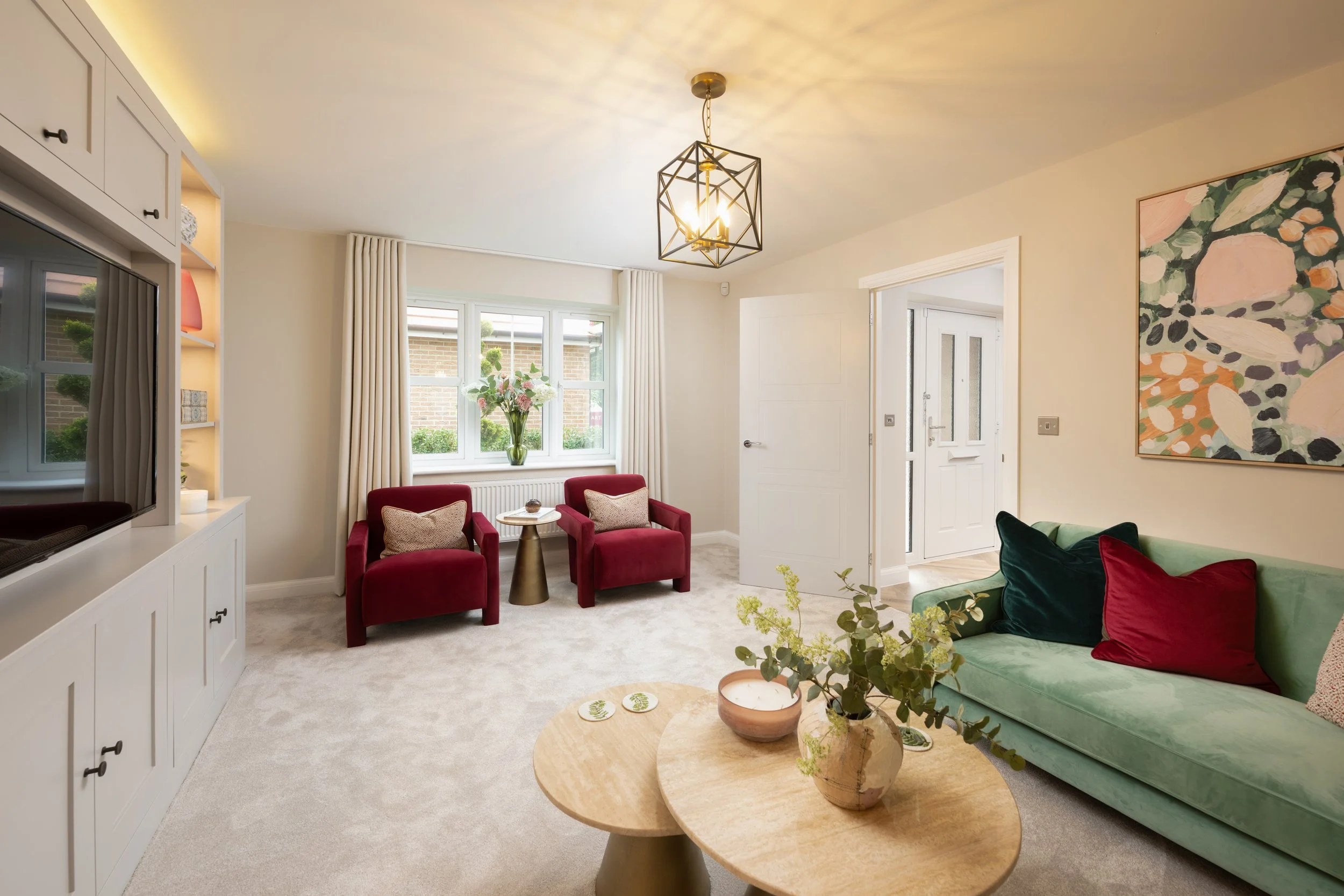
We love using paint as a way to bring all of these elements together. A carefully chosen neutral can create the perfect backdrop for bolder furniture, patterned wallpaper or colourful accessories without competing with them.
One of Our Favourite Warm Neutrals
One colour we particularly love for creating a warm and inviting space is Egyptian Cotton.
It's a versatile neutral that works beautifully when you want a room to feel warm without becoming too dark or overpowering. It can provide a soft backdrop that works with a wide range of furniture, fabrics and accessories, making it a great choice for creating a timeless interior.
Of course, the way it looks will still depend on the room, its lighting and the other colours around it – which is exactly why testing your paint colour first is so important!
Don't Be Afraid of Colour
While neutral shades are a popular choice, don't be afraid to introduce colour if it suits your space and your personality.
Paint is one of the easiest ways to transform a room, and it doesn't always have to mean painting every wall a bold colour. A feature wall, painted ceiling, alcoves or even a smaller section of a room can be a great way to introduce colour without overwhelming the space.
The key is choosing a colour that works with the light in your room and complements the rest of your interior.
Our Top Tips for Choosing Paint Colours
1. Think about the feeling you want to create.
Warm colours can make a room feel cosy, while cooler shades can create a fresher feel.
2. Consider the natural light.
Think about which direction the room faces and how much natural light it receives.
3. Look at the colour throughout the day.
A paint colour can change dramatically depending on the time of day and the lighting.
4. Test before you commit.
Always try a sample in the actual room before painting all four walls.
5. Consider the whole scheme.
Make sure your paint colour works alongside your flooring, furniture, fabrics and accessories.
Choosing the right paint colour can make all the difference to a room. Take your time, test your options and don't be afraid to try something slightly different – sometimes the perfect colour is the one you least expected!